

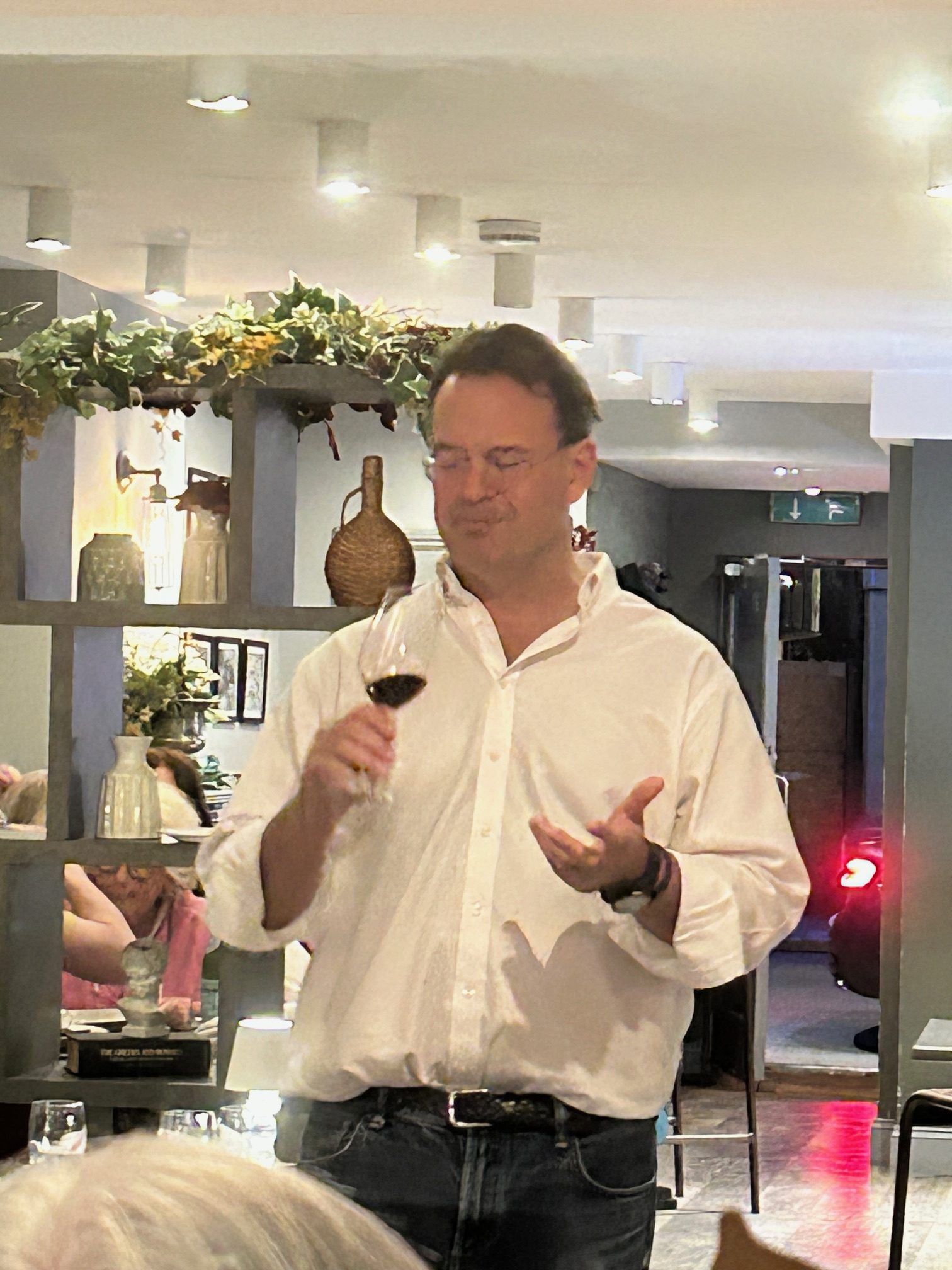
By Tim Morgan, Senior Sommelier & Contributing Editor
I am going to begin with an admission that may cost me credibility in certain circles:
I have tasted non-alcoholic wine that I genuinely enjoyed.
Not all of it. Not most of it. But some. And the fact that I — a sommelier who has built a career on the pleasures of fermented grape juice — can write that sentence without irony tells you something important about where the industry is heading.
The Numbers
The no-and-low-alcohol drinks market is not a niche. It is a phenomenon:
| Statistic | Source |
|---|---|
| Global no/low alcohol market value: $13 billion (2023) | IWSR |
| Projected value by 2027: $20+ billion | IWSR |
| Growth rate: 7% annually (vs 1–2% for overall alcohol) | Euromonitor |
| 78% of non-alcoholic wine buyers also buy alcoholic wine | Nielsen |
| 1 in 3 Gen Z adults identifies as “sober-curious” | Berenberg Research |
| Dry January participation (UK): 8.9 million people (2024) | Alcohol Change UK |
This is not a fad. This is a structural shift in consumer behaviour — driven by health awareness, the wellness movement, generational change, and a fundamental rethinking of alcohol’s role in social life.
What Is Non-Alcoholic Wine?
Non-alcoholic wine (sometimes called “dealcoholised wine”) is made by producing conventional wine through normal fermentation and then removing the alcohol through one of several technological processes:
| Method | How It Works | Effect on Flavour |
|---|---|---|
| Vacuum distillation | Wine heated under vacuum at low temperature; alcohol evaporates | Preserves more flavour than traditional distillation. Most common method. |
| Reverse osmosis | Wine pushed through membrane that separates alcohol from water and flavour compounds | Gentler. Better flavour preservation. More expensive. |
| Spinning cone | Centrifugal force separates volatile flavour compounds, then alcohol, then recombines | Most sophisticated. Best results. Very expensive. |
| Arrested fermentation | Fermentation stopped before alcohol is fully produced | Technically not “dealcoholised” — produces sweet, grape-juicy results |
The legal definition varies by country, but generally:
textNon-alcoholic wine:  < 0.5% ABV
Low-alcohol wine:    0.5–5.5% ABV
Regular wine:        typically 11–15% ABV
The Honest Assessment
Here is what a sommelier can tell you after tasting extensively across the category:
What Works
Sparkling non-alcoholic wines are by far the most successful. The bubbles provide texture, the acidity provides structure, and the overall sensory experience is close enough to conventional sparkling wine to be genuinely satisfying.
The best examples:
| Product | Style | Verdict |
|---|---|---|
| Oddbird Blanc de Blancs | Sparkling, Chardonnay-based | Impressive. Clean, crisp, apple-citrus. The best I’ve tasted. |
| French Bloom Le Blanc | Sparkling, organic | Elegant, well-made, attractive packaging. |
| Noughty Sparkling Rosé | Sparkling rosé | Fun, fruity, festive. Good for parties. |
| Wild Life Botanicals | Botanical sparkling | Not really wine — more a wine-inspired spritz. But delicious. |
What Struggles
Still red non-alcoholic wine remains the category’s greatest challenge. Alcohol contributes enormously to red wine’s body, texture, and mouthfeel. Remove it, and you are left with something thin, astringent, and oddly sweet — like grape juice pretending to be serious.
The problem is structural: tannin without alcohol feels harsh. Red fruit without body feels hollow. The “mid-palate” — the part of a wine’s flavour that fills the mouth — essentially disappears.
Some producers are improving rapidly (Leitz, Torres Natureo, Oddbird), but even the best non-alcoholic reds are — I’ll say it honestly — not yet comparable to decent conventional red wine. They are good for what they are. But they are not yet what they aspire to be.
What’s Interesting
The most exciting developments are happening at the margins — products that have stopped trying to imitate conventional wine and have started creating something new:
- Wine-based aperitifs with botanicals, spices, and bittering agents
- Vinegar-based shrubs reimagined as sophisticated drinks
- Fermented grape juice beverages that embrace their grape-juiciness rather than hiding it
- Pét-nat style low-alcohol sparkling wines (~4–5% ABV) that keep just enough alcohol for texture
“The future of no-and-low may not be imitation wine. It may be an entirely new category — one that borrows wine’s aesthetics and rituals but creates its own identity.”
The Big Question: Is It Wine?
This is where the conversation gets philosophical — and heated.
The purist position: Wine is, by definition, fermented grape juice. Fermentation produces alcohol. If you remove the alcohol, you have removed the product of fermentation — the very thing that makes wine wine. What remains is a dealcoholised grape beverage. It may be pleasant. It may be sophisticated. But it is not wine.
The pragmatist position: Wine is a cultural object as much as a chemical one. It is the glass on the table, the ritual of opening, pouring, toasting, pairing. If non-alcoholic wine allows people to participate in wine culture without alcohol — for reasons of health, religion, pregnancy, or personal choice — then it serves a valuable purpose, and policing the word “wine” is gatekeeping.
My position: Both sides have a point. The chemistry is the chemistry — alcohol is not incidental to wine; it is fundamental to its texture, its flavour, its ageing potential, and its emotional effect. Removing it changes the product profoundly. But the human desire to share in wine’s rituals without alcohol is legitimate and should be respected.
I prefer honesty: call it what it is. Non-alcoholic wine. Dealcoholised wine. Wine alternative. Any of these are fine. Just don’t pretend it’s the same thing. It isn’t. It doesn’t need to be. It can be its own thing — and increasingly, it is.
Who Is Drinking It?
The most important insight: non-alcoholic wine drinkers are not teetotallers. They are, overwhelmingly, existing wine drinkers who want to moderate their consumption without giving up the rituals and pleasures of wine culture.
| Demographic | Behaviour |
|---|---|
| Millennials (30–44) | Moderating for health/fitness. Largest buyers of premium no/low. |
| Gen Z (18–29) | Drinking less than any previous generation. Sober-curious mindset. |
| Pregnant women | Obvious driver. Want to participate in social drinking without risk. |
| Health-conscious professionals | Weeknight moderation. No/low on Tuesday, real wine on Saturday. |
| Muslim consumers | Growing market in Middle East and Southeast Asia. |
| Designated drivers | Practical need. Want something better than sparkling water. |
| Athletes and wellness enthusiasts | Recovery, performance, body composition. |
The key insight for the wine industry: These are not lost customers. They are multi-category drinkers. Engage them in no/low, and you engage them in wine culture as a whole.
The Sommelier’s Verdict
Non-alcoholic wine is not going to replace wine. It is not a threat to the wine industry. It is not the death of tradition, terroir, or craftsmanship.
It is a new category — adjacent to wine, inspired by wine, borrowing wine’s language and rituals — that serves a real and growing need. The best examples are genuinely impressive. The worst are terrible. The average is improving rapidly.
As a sommelier, I will always reach for a glass of real wine when I want complexity, depth, and the irreplaceable alchemy of alcohol, terroir, and time. But I am glad — genuinely glad — that the option exists for the Tuesday nights, the Dry Januaries, the pregnant friends, the designated drivers, and the growing number of people who want to participate in wine culture without paying the hangover tax.
The glass is changing. The table remains.
Tim Morgan is a London-based sommelier and wine writer.